
SoftWave TRT in Mt Laurel Township NJ: What Conditions Does It Work Best For?
SoftWave TRT in Mt Laurel Township NJ: What Conditions Does It Work Best For?
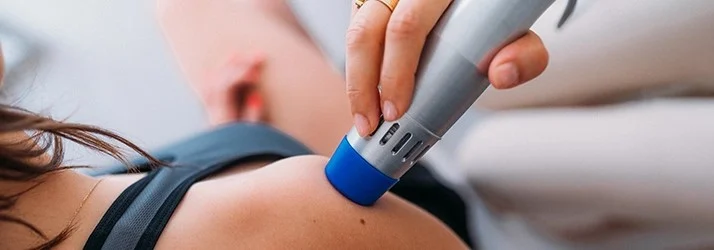
SoftWave Tissue Regeneration Therapy (TRT) in Mt Laurel Township NJ is an advanced form of extracorporeal shockwave therapy designed to stimulate healing, reduce pain, and improve function—without drugs or surgery. But one of the most common questions patients ask is simple:
“What conditions does SoftWave actually work for?”
Below is a comprehensive, research-backed Q&A guide to help you understand where this technology shines most.
What is SoftWave TRT and how does it work?
SoftWave TRT uses unfocused acoustic waves to stimulate a biological healing response in damaged tissues. Unlike traditional high-energy shockwave therapies, SoftWave is designed to:
- Increase blood flow (angiogenesis)
- Activate stem cells
- Reduce inflammation
- Promote tissue regeneration
Research on extracorporeal shockwave therapy (ESWT)—the broader category—shows it is widely used for musculoskeletal conditions and is generally well tolerated with low complication rates. (PubMed)
What types of conditions respond best to SoftWave TRT?
SoftWave works best for musculoskeletal and soft tissue conditions, especially those involving:
- Chronic inflammation
- Degeneration
- Poor blood supply
- Failed conservative care
Let’s break these down into the most common patient-searched categories.
Does SoftWave work for plantar fasciitis?
Yes—this is one of the most well-researched and successful applications.
Plantar fasciitis is often caused by chronic micro-tearing and degeneration of the fascia. Shockwave therapy has been shown to:
- Reduce plantar fascia thickness
- Improve pain and function
- Stimulate healing in stubborn cases
A systematic review found measurable structural improvements in plantar fascia tissue after shockwave therapy. (PMC)
 Ideal for:
- Chronic heel pain
- Failed orthotics or stretching programs
- Patients trying to avoid injections or surgery
Can SoftWave help tendonitis and tendinopathy?
Absolutely—this is one of its strongest use cases.
Shockwave therapy is commonly used for:
- Achilles tendinopathy
- Patellar tendonitis (“jumper’s knee”)
- Tennis elbow (lateral epicondylitis)
- Golfer’s elbow
Research consistently shows benefits in tendon healing and pain reduction. (PubMed)
Why it works:
- Tendons have poor blood supply
SoftWave stimulates circulation and cellular repair
Does it work for shoulder pain or rotator cuff injuries?
Yes—especially for chronic or calcific conditions.
SoftWave is highly effective for:
- Rotator cuff tendinopathy
- Calcific tendonitis
- Frozen shoulder
Studies show reduction in calcium deposits and improved mobility after treatment. (PMC)
Best candidates:
- Patients with limited range of motion
- Chronic shoulder pain lasting 3+ months
Those avoiding cortisone injections
Can SoftWave help arthritis or joint pain?
Yes—especially for chronic or calcific conditions.
SoftWave is highly effective for:
- Rotator cuff tendinopathy
- Calcific tendonitis
- Frozen shoulder
Studies show reduction in calcium deposits and improved mobility after treatment. (PMC)
Best candidates:
- Patients with limited range of motion
- Chronic shoulder pain lasting 3+ months
Those avoiding cortisone injections
What about heel spurs or foot pain?
Yes—especially when combined with plantar fasciitis.
SoftWave can help:
- Heel spurs
- Chronic foot pain
- Morton’s neuroma (in some cases)
Because it targets both inflammation and tissue degeneration, it addresses the root cause—not just symptoms.
Does SoftWave work for knee pain?
Yes—especially for non-surgical cases.
Conditions that respond well include:
- Patellar tendonitis
- IT band syndrome
- Early arthritis
- General knee pain from overuse
Shockwave therapy has been shown to improve pain and function in knee-related conditions. (PMC)
Can it help with bone healing or fractures?
Yes—this is a lesser-known but powerful application.
Shockwave therapy has been used for:
- Non-union fractures
- Stress fractures
- Delayed bone healing
It stimulates bone remodeling and healing processes. (PubMed)
Does SoftWave help nerve pain or neuropathy?
Sometimes—but results vary.
SoftWave may help with:
- Peripheral nerve irritation
- Carpal tunnel symptoms
- Certain chronic pain syndromes
Mechanism:
- Improves circulation
- Reduces inflammation around nerves
Best for:
- Mild to moderate nerve irritation
- Not severe nerve damage
Can SoftWave help low back pain or disc problems?
Yes—especially chronic low back pain.
A meta-analysis of randomized controlled trials found that shockwave therapy can significantly improve pain and function in chronic low back pain patients. (PubMed)
Works best for:
- Chronic muscular or soft tissue-related back pain
- Disc-related inflammation (supportive care)
- Patients who haven’t responded to traditional therapy
Is SoftWave good for sports injuries?
Yes—it’s widely used in sports medicine.
Common treated injuries include:
- Muscle strains
- Ligament sprains
- Overuse injuries
- Tendon injuries
Why athletes love it:
- Non-invasive
- Speeds recovery
- Helps return to play faster
Does it work for chronic pain in older adults?
Yes—this is one of the fastest-growing use cases.
SoftWave is ideal for:
- Degenerative joint pain
- Chronic tendon issues
- Reduced mobility
Because it’s gentle and non-invasive, it’s often preferred over injections or surgery.
What conditions does SoftWave NOT work well for?
While highly versatile, SoftWave is not a cure-all.
It tends to be less effective for:
- Severe structural damage (complete tears)
- Advanced bone-on-bone arthritis
- Acute fractures requiring stabilization
- Systemic inflammatory diseases
In these cases, it may still be used as part of a broader treatment plan.
How many treatments are typically needed?
Most patients require:
- 6-10 sessions
- Spaced about 1 week apart
Some notice improvement after the first visit, but healing continues over weeks.
Is SoftWave safe?
Yes—shockwave therapy is considered:
- Non-invasive and low risk
- FDA approved
- Well tolerated
Reported complications are rare in clinical literature. (PubMed)
Why do some people get better results than others?
Outcomes depend on:
- Condition severity
- Chronic vs acute injury
- Patient health (circulation, inflammation levels)
- Proper diagnosis
The best results occur when the true source of pain is accurately identified and treated.
Final Takeaway: Who is the Ideal SoftWave Patient?
SoftWave TRT works best for patients who:
- Have chronic musculoskeletal pain
- Want to avoid surgery or injections
- Haven’t responded to traditional care
- Are dealing with tendon, ligament, or joint issues
Looking for SoftWave TRT in Mt Laurel Township NJ?
If you're exploring whether SoftWave is right for your condition, having a proper evaluation is key.
Freedom Chiropractic
4516 Church Rd. Mount Laurel, NJ 08054
Phone: (856) 552-0570

OFFICE HOURS
Monday
12:00pm - 5:30pm
Tuesday
7:30am - 1:00pm
Wednesday
12:00pm - 5:30pm
Thursday
7:30am - 1:00pm
Friday
Closed
Saturday & Sunday
Closed

Freedom Chiropractic
4516 Church Rd E
Mt Laurel Township, NJ 08054